
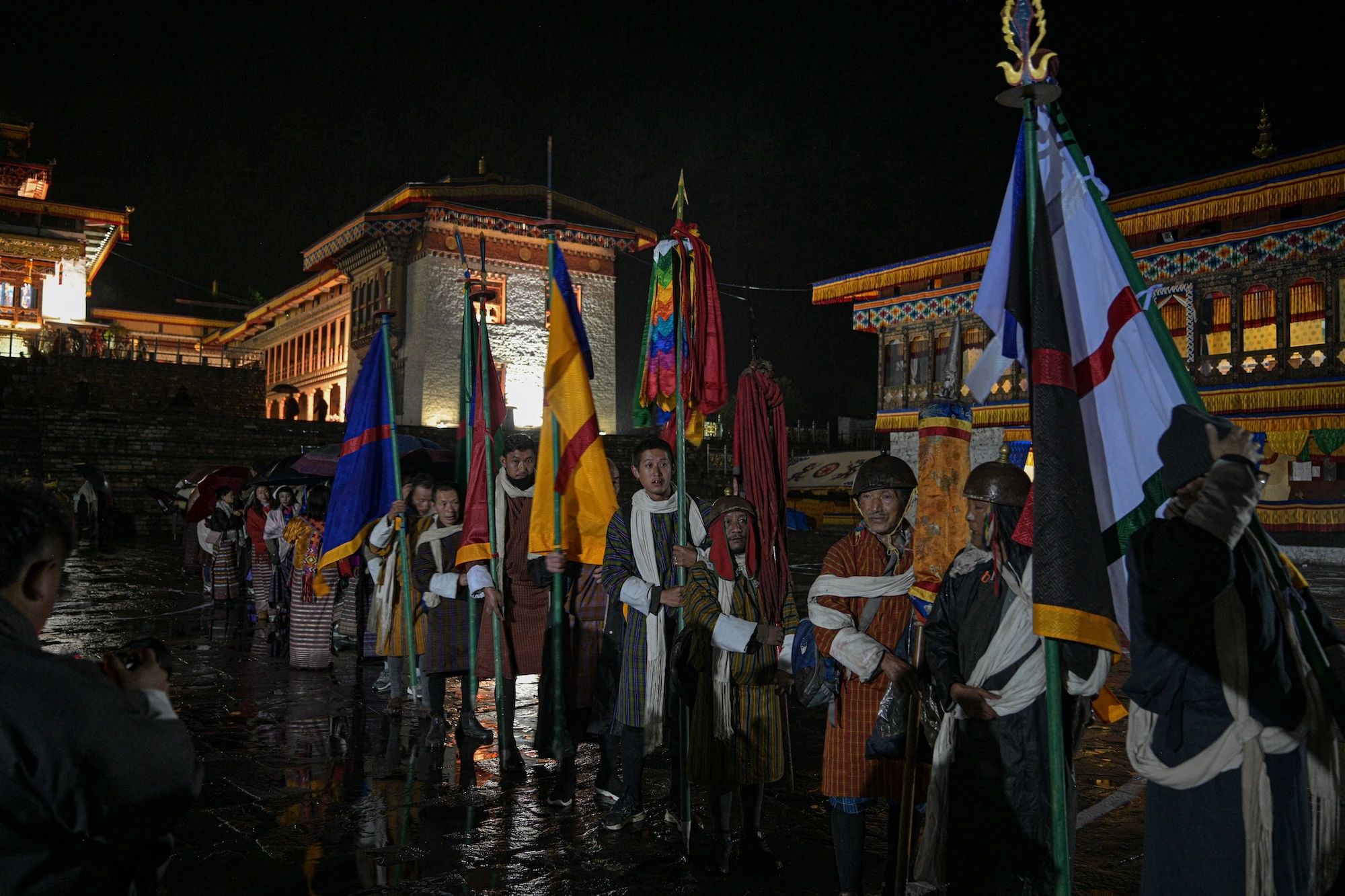
The Ap Chundu festival is a sacred tribute to the guardian deity of Haa, whose origins trace back to Bodhgaya, India, and Tibet before he settled at Lhakhang Karpo. Legend tells of Ap Chundu’s fierce loyalty and miraculous powers; he famously secured “fire” for the valley and defended Haa against a Tibetan invasion. During the conflict, he supposedly used magic to lead invaders over a steep cliff and possessed the strength of four men. His rivalry with the deity Ap Gyengay—whom he slapped so hard the spirit became half-deaf—remains a core piece of local folklore, explaining why every household in Haa flies a white flag in his honor today.
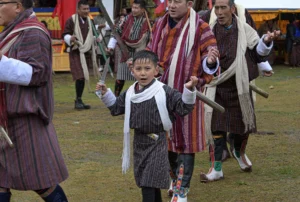
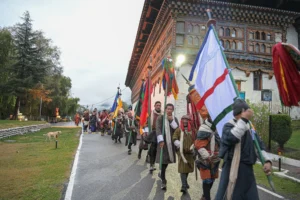
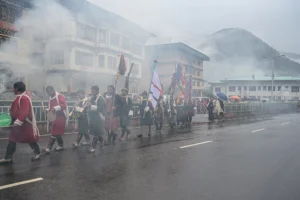
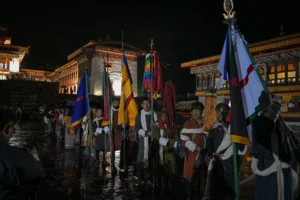
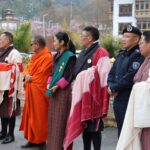
The festival itself is defined by the longest Chhipdrel (procession) in Bhutan, a 10km journey from Lhakhang Karpo to the Jangkha-kha ceremonial ground. A white horse, believed to be invisibly mounted by the spirit of Ap Chundu, leads the way through the valley. Along the route, communities offer marchang (ceremonial alcohol) at sacred sites like the Nga-chhu Chorten. While historical misconceptions suggest animal sacrifice was once central, the modern festival has evolved toward compassion; animal slaughter was abolished over a decade ago, replaced by symbolic offerings.
Today, the celebration serves as a bridge between the ancient shamanistic roots of Haa and its Buddhist identity. It concludes at Jangkha-kha, where Paows and Phams (shamanic oracles) perform grand rituals. The climax of the event occurs when a shaman reportedly invites the spirit of Ap Chundu to enter his body, delivering annual prophecies and blessings to the people. This tradition preserves the unique cultural heritage of the Bji Gewog, honoring a deity who remains the “ever-watchful” protector of the valley’s three sacred peaks, the Meri Puensum.